Not every saree that shines is silk. Art silk, polyester blends and viscose can look remarkably close to the real thing, especially after years in a cupboard. If you are trying to sort your collection, gift a saree or sell old ones, it helps to know how to identify pure silk saree pieces from the rest. The good news is that a few simple checks at home can tell you a lot.
This guide walks through six easy tests, explains what each one tells you and why purity matters when your sarees are evaluated.
Why Silk Purity Matters
Pure silk is a natural protein fibre produced by silkworms. India is one of the largest silk producers in the world, and the Central Silk Board oversees much of the sector. Pure mulberry silk, used in Kanchipuram, Mysore and many Banarasi sarees, is durable, breathable and holds its colour and lustre for decades.
For anyone looking to sell, purity is the foundation of value. A pure silk saree with good zari will always be evaluated more favourably than a synthetic one that looks similar. That is why knowing how to identify pure silk saree fabric is a useful skill.
Test 1: The Touch Test
Rub a corner of the saree between your fingers. Pure silk feels smooth and soft, with a slightly warm feel that adjusts to your body temperature. Synthetic fabrics often feel slippery, cool and a little plastic. Pure silk also produces a faint rustling sound, sometimes called scroop, when crushed gently.
Test 2: The Lustre Test
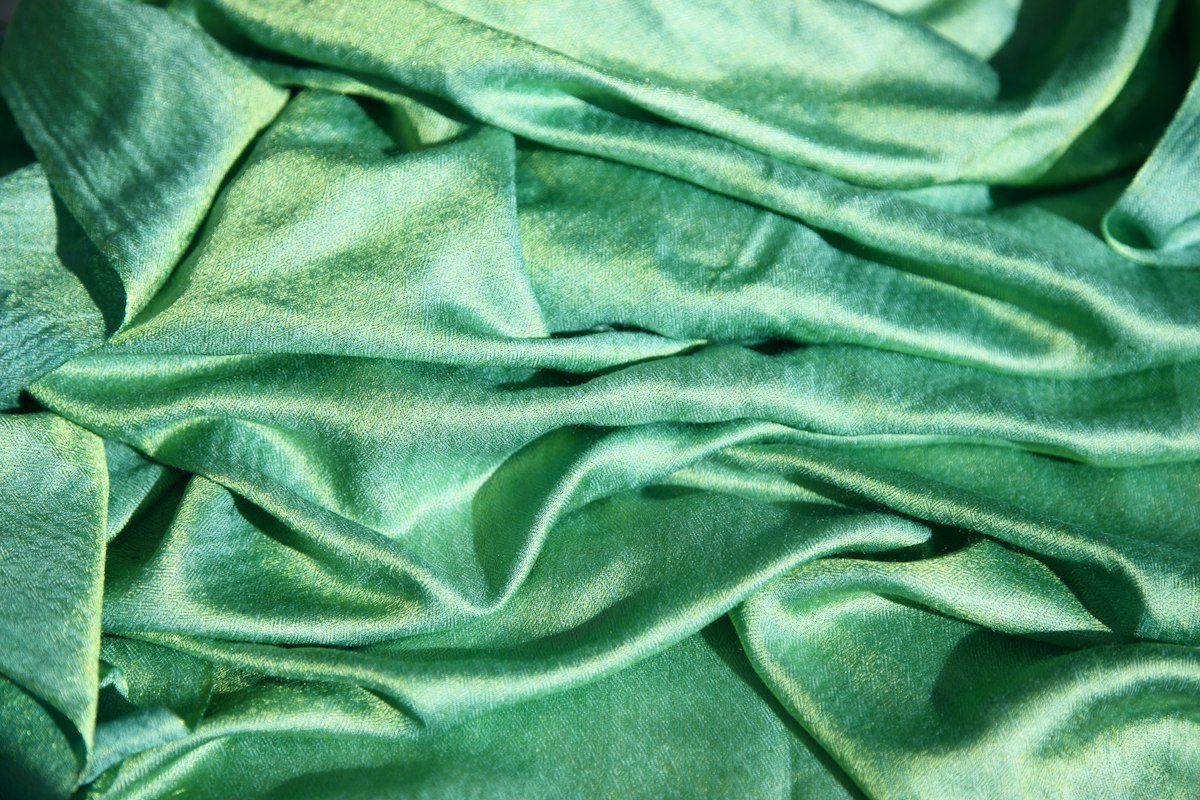
Hold the saree under natural light and move it slowly. Pure silk has a soft shimmer that changes colour slightly depending on the angle. Synthetic fabrics tend to have a flat, uniform shine that looks the same from every direction. Many traditional silk sarees also show a lovely two tone effect where warp and weft colours differ.
Test 3: The Ring Test
This is a traditional check for lighter silks. Try to pass a portion of the saree through a ring. Pure silk, particularly lighter weaves, slides through easily. Heavy Kanchipuram sarees may not pass through, so this test works better for thin silks than for wedding sarees.
Test 4: The Wrinkle Test
Crush a small section of the saree in your fist for a few seconds and release. Pure silk tends to recover fairly well and the creases soften quickly. Synthetic fabrics may either resist creasing entirely or hold sharp, stubborn wrinkles.
Test 5: Look at the Weave and Reverse Side
Turn the saree over. Handwoven pure silk sarees often show small irregularities, floating threads behind motifs and a neat, dense weave. Powerloom synthetics usually look too perfect and uniform. Check the edges too: a handloom saree often has a slightly uneven selvedge.
Test 6: Look for the Silk Mark
The simplest and most reliable home check is the label. The Silk Mark is a quality assurance label backed by the Silk Mark Organisation of India under the Central Silk Board. A saree with a Silk Mark tag is certified as pure natural silk. If you still have the tag, keep it with the saree.
What About the Burn Test?
You may have heard of burning a thread to check silk. Pure silk burns slowly, smells like burnt hair and leaves a crushable ash, while synthetics melt and smell like plastic. While this test is accurate, we do not recommend doing it on a saree you plan to keep or sell. It damages the fabric, and pulling a thread from an old saree can weaken it further. Leave this to an expert evaluator.
Why You Should Still Get an Expert Evaluation
Home tests give you a useful first idea, but they are not foolproof. Silk blends, aged silk and heavy zari sarees can confuse even experienced eyes. When you want to identify pure silk saree pieces with confidence, especially before selling, a hands-on evaluation by someone who handles silk daily is the best option.
At Shri Ashtalakshmi, our team checks silk quality alongside zari, weave and condition. Purity is only one part of the picture, and our guide on old silk saree value explains how all these factors come together.
Silk and Zari Go Together
Even when a saree is pure silk, the zari often decides much of its value. Pure zari, tested zari and imitation zari are evaluated very differently. If your saree has a heavy border or pallu, read our post on real zari vs fake zari to understand what you might have.
Common Pure Silk Sarees in Bangalore Homes
- Kanchipuram silk sarees, usually heavy with rich zari
- Mysore silk sarees, known for their smooth, pure silk and fine zari
- Banarasi silk sarees with brocade work
- Tissue silk sarees with a metallic sheen
Selling Your Pure Silk Sarees
Once you have sorted your sarees, the next step is finding a buyer who will evaluate them fairly. Our simple process works like this:
Step 1: Send photos on WhatsApp or visit our HSR Layout store.
Step 2: Our team examines silk, zari, weave and condition.
Step 3: We explain the evaluation and make a clear offer.
Step 4: If you agree, you receive spot cash on the spot.
If you have a full wardrobe to clear, see our guide on how to sell old silk sarees in Bangalore.
Caring for Pure Silk Sarees at Home
Pure silk lasts for generations when it is stored well. Wrap each saree in a cotton or muslin cloth and keep it in a dry cupboard away from direct sunlight. Refold sarees every few months so the creases do not weaken the fibre, and avoid plastic covers that trap moisture. Use neem leaves, cloves or dried lavender instead of naphthalene, which can leave stains and smell. When a pure silk saree does need cleaning, dry cleaning by a specialist is safer than washing at home, particularly for sarees with heavy zari. Good storage protects the saree’s lustre and keeps its value intact for the day you decide to wear, gift or sell it.
Frequently Asked Questions
Can a damaged saree still be pure silk?
Yes. Tears, stains and fading do not change the fibre. Damaged pure silk sarees can still be sold, and we explain more in our guide on how to sell damaged silk sarees.
Is art silk worth anything?
Art silk sarees have little resale value on their own. If they carry real zari, which is uncommon, they may still be evaluated.
Does an old Silk Mark tag still count?
Yes. The tag certifies the silk at the time of sale and remains useful background information.
Are Kanchipuram sarees always pure silk?
Genuine handwoven Kanchipuram sarees are made with pure mulberry silk, but the market also has many powerloom and blended lookalikes. The tests above and an expert check help tell them apart.
Conclusion
Learning to identify pure silk saree fabric at home helps you understand your collection before you decide what to keep, gift or sell. Simple touch, lustre and weave checks give you a good start, and the Silk Mark offers extra confidence. For a definitive answer and a fair offer, visit Shri Ashtalakshmi in HSR Layout, Bangalore, call +91 81231 23383 or contact us for a free evaluation.